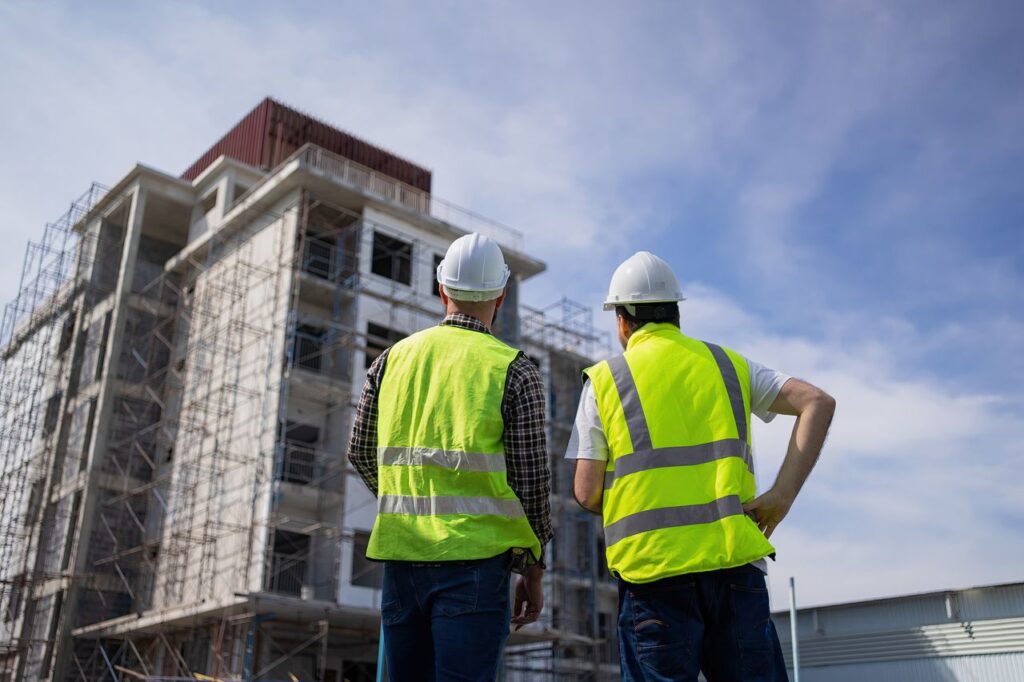
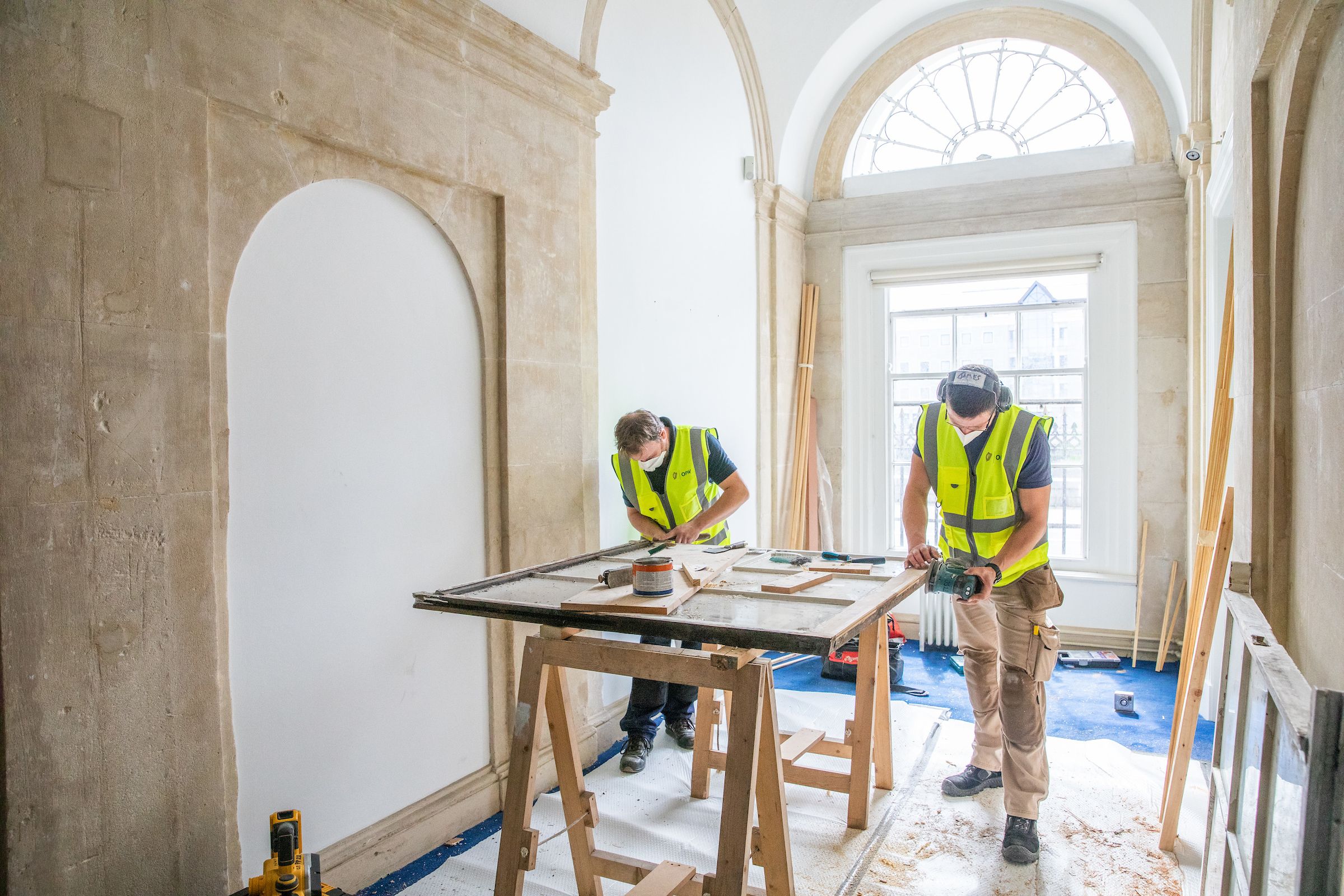

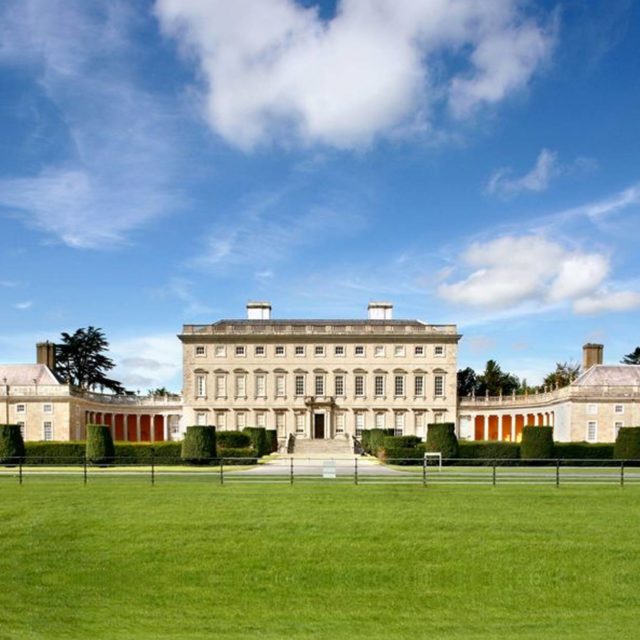
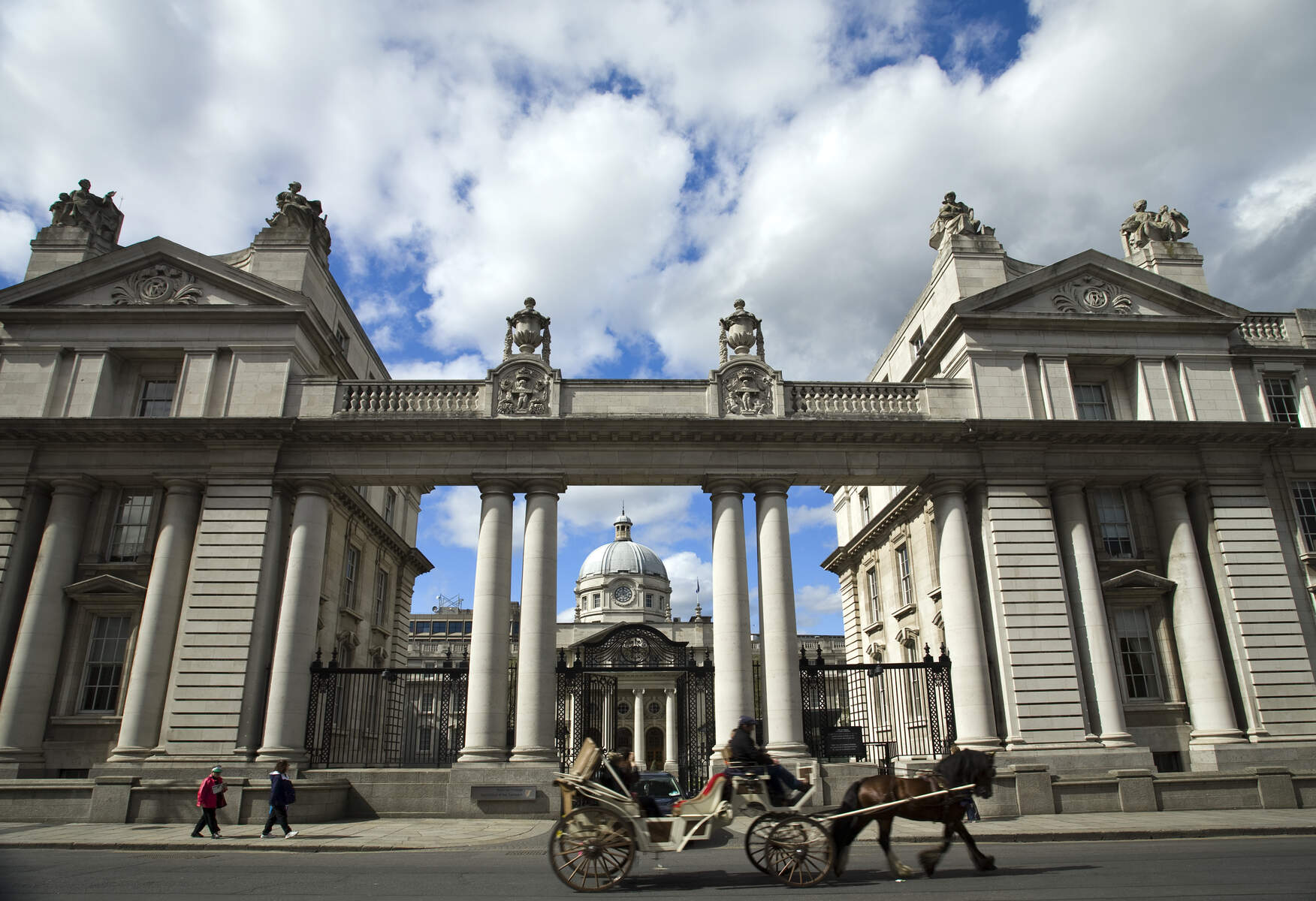
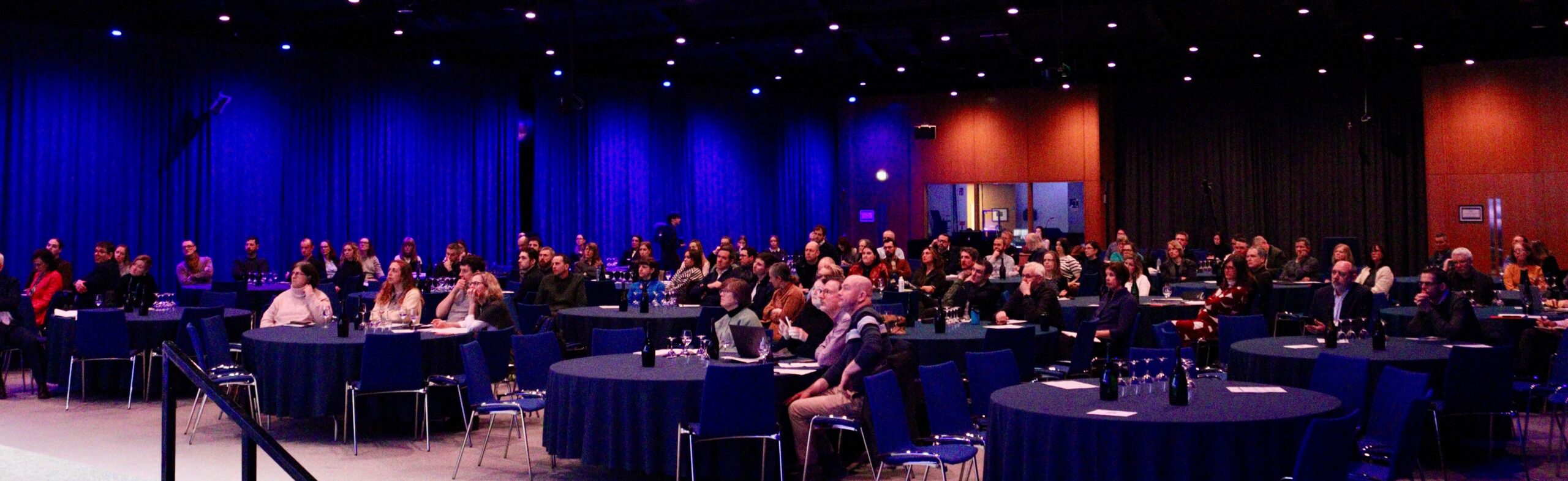

The purpose of this training is to upskill public sector personnel which will allow the state to increase its capacity for energy performance improvement works to traditional built and historic buildings. This will better equip the government in meeting its ambitious targets as set out in its National Renovation Strategy and the National Development Plan to reduce energy emissions from buildings. Energy retrofitting of traditional and historic buildings is more complex than modern buildings due to several factors, including the hygrothermal behaviour of traditional building material and the need to preserve heritage value.
Buildings are the largest energy consumers in Europe, accounting for over 40 percent of energy usage and a third of greenhouse gas emissions. They present substantial opportunities for enhancing energy efficiency and integrating renewables. The 3-day training programme is part of a project funded by the European Union via the Technical Support Instrument, aiming to tap into this potential for historic buildings.
The training covers the rapidly evolving policy and regulatory landscape, technological advancements in practice, from building inspection to risk assessment, design and post-renovation monitoring, including the wider environmental, economic, and social benefits of retaining and renovating the existing historic building stock across the country.

Disclaimer
The European Commission’s support for the production of this training does not constitute an endorsement of the contents, which reflect the views only of the authors, and the Commission cannot be held responsible for any use which may be made of the information contained therein.